Amersfoort: A Timeless Handwritten Font for Modern Creativity
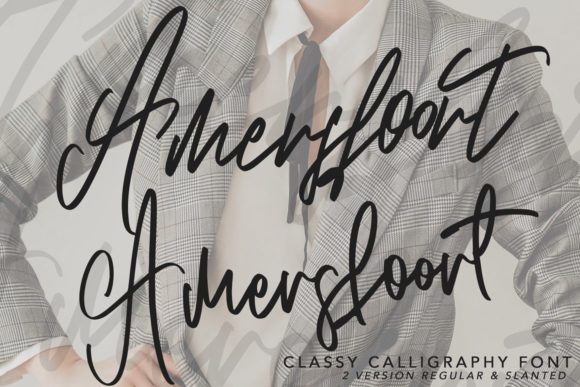
In an era where digital communication dominates, the allure of handwritten fonts has never been stronger. Among these, Amersfoort stands out as a tall and classic handwritten font that blends tradition with a touch of quirkiness. This font isn’t just another typeface—it’s a versatile tool that resonates with creators, professionals, and businesses looking to infuse personality into their designs. Whether you're crafting a brand identity, designing a website, or creating content for social media, Amersfoort offers a unique visual language that speaks to both aesthetics and functionality.
The Evolution of Handwritten Fonts in Design
Handwritten fonts have evolved from simple imitations of cursive writing to sophisticated tools used in branding, marketing, and digital content creation. The rise of minimalist design trends and the increasing demand for authenticity have made handwritten fonts more relevant than ever. Unlike rigid sans-serif or serif fonts, handwritten styles bring warmth, character, and a human touch—qualities that resonate deeply in today's fast-paced digital world.
Amersfoort, with its tall structure and quirky charm, fits perfectly into this evolving landscape. It is designed to be legible yet expressive, making it ideal for a wide range of applications—from logos and headlines to invitations and social media graphics. Its versatility ensures that it doesn’t feel outdated or overly stylized, striking a balance between classic elegance and modern usability.
Why Amersfoort Stands Out in a Crowded Market
The market for fonts is highly competitive, with thousands of options available to designers and content creators. What sets Amersfoort apart is its ability to adapt across various contexts without losing its essence. Its tall proportions give it a distinctive presence, while its slightly quirky nature adds a layer of personality that can elevate even the most straightforward projects.
For example, consider a small business owner looking to create a memorable logo. Traditional fonts might come off as generic or unoriginal, but Amersfoort offers a fresh alternative that feels both professional and approachable. Similarly, educators and bloggers who want to add a personal touch to their content can use Amersfoort to make text more engaging and visually appealing.
This font also aligns well with current design trends that emphasize individuality and authenticity. As users become more discerning about the content they consume, brands and creators are under increasing pressure to stand out. Amersfoort provides a way to do just that—without sacrificing readability or professionalism.
Practical Applications of Amersfoort
Let’s explore some real-world scenarios where Amersfoort can make a meaningful impact:
- Branding and Logos: A boutique clothing store could use Amersfoort in its logo to convey a sense of style and creativity. The font’s uniqueness helps the brand stand out in a crowded marketplace.
- Marketing Materials: Brochures, flyers, and posters benefit from Amersfoort’s visual appeal. Its handwritten look makes promotional materials feel more personal and relatable.
- Digital Content: Bloggers and influencers often use Amersfoort for headings or call-out quotes. It adds a touch of flair that draws readers in and enhances the overall reading experience.
- Social Media: Platforms like Instagram and Pinterest thrive on visual content. Using Amersfoort in captions, posts, or graphic overlays can help increase engagement and brand recognition.
Trends Shaping the Use of Handwritten Fonts
Several trends are shaping how handwritten fonts are being used today. One of the most significant is the shift toward minimalism and clean design. While this might seem at odds with the organic feel of handwritten fonts, the right choice—like Amersfoort—can enhance rather than detract from minimalist aesthetics.
Another trend is the growing emphasis on user experience (UX) in digital design. Websites and apps are increasingly prioritizing readability and accessibility. Amersfoort, with its clear letterforms and balanced structure, meets these needs while still offering a distinctive visual identity.
Moreover, there is a rising interest in hybrid work environments and remote collaboration. As teams work across different platforms and devices, the need for fonts that look great on screens and print alike becomes more important. Amersfoort is optimized for both digital and physical mediums, ensuring consistency across all formats.
How Amersfoort Fits Into Modern Workflows
Creatives and professionals working in fast-paced industries appreciate fonts that integrate seamlessly into their workflows. Amersfoort is compatible with major design software such as Adobe Photoshop, Illustrator, and InDesign. It also works well with web development tools like CSS and HTML, allowing developers to incorporate it into websites with ease.
Additionally, the font’s availability on platforms like Google Fonts and Adobe Typekit means that it can be accessed quickly and efficiently. This convenience is especially valuable for freelancers and entrepreneurs who need to maintain a consistent brand image across multiple channels.
Recommendations for Using Amersfoort Effectively
To get the most out of Amersfoort, it’s important to use it thoughtfully. Here are a few tips to help you leverage its strengths:
- Pair with Complementary Fonts: While Amersfoort is expressive on its own, pairing it with a simpler font like Helvetica or Arial can create a balanced and professional look.
- Use Sparingly: Because of its distinctive style, Amersfoort should be used in moderation. Overusing it can make your design appear cluttered or difficult to read.
- Consider Color and Contrast: The font looks best when used with high-contrast color combinations. Experiment with different hues to find the right match for your project.
- Test Across Devices: Ensure that Amersfoort renders well on different screen sizes and resolutions. This is particularly important if you're using it for web-based projects.
By following these guidelines, you can ensure that Amersfoort enhances your designs without overwhelming them. Its versatility allows it to be used in both subtle and bold ways, depending on the context and purpose.
The Future of Handwritten Fonts and Amersfoort’s Role
As technology continues to evolve, so too will the role of typography in design. Handwritten fonts like Amersfoort are likely to remain popular, especially as people seek more personalized and authentic experiences. Their ability to convey emotion, creativity, and individuality makes them invaluable in a world that often feels impersonal.
Looking ahead, we can expect to see more experimentation with handwritten fonts in unexpected places—such as data visualization, technical documentation, and even user interfaces. Amersfoort, with its adaptable structure and timeless appeal, is well-positioned to play a key role in this evolution.
Whether you’re a designer, marketer, educator, or simply someone who appreciates good typography, Amersfoort offers a compelling option that combines tradition with innovation. Its relevance in today’s creative landscape is not just a passing trend—it’s a reflection of our ongoing desire for connection, expression, and authenticity in every form of communication.