Onitsha: A Handwritten Font That Elevates Personalized Design
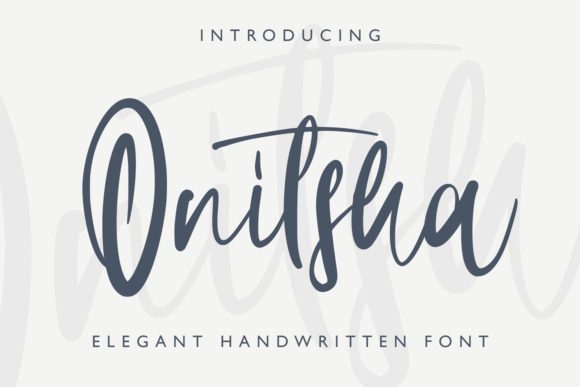
Onitsha is a handwritten font that stands out for its elegance, versatility, and unique character. Designed to mimic the natural flow of human handwriting, it brings a personal and artistic touch to any design project. Whether you're creating wedding invitations, greeting cards, logos, or other personalized materials, Onitsha offers a refined aesthetic that feels both modern and timeless.
What Makes Onitsha Distinct?
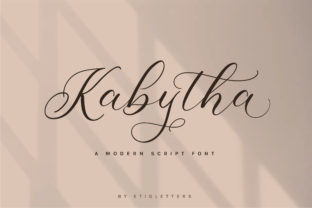
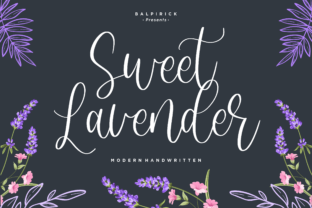
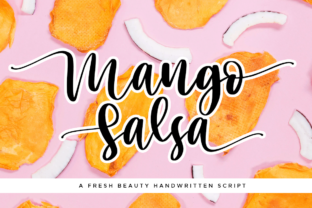
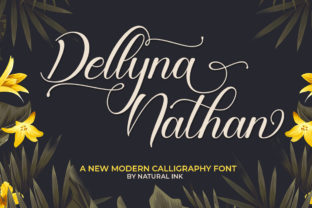
At first glance, many handwritten fonts can appear similar, but Onitsha distinguishes itself through its balance of style and readability. The font features soft curves, subtle variations in stroke thickness, and a consistent rhythm that mimics real handwriting without becoming too informal or difficult to read.
One of the most notable aspects of Onitsha is its ability to convey warmth and personality. Unlike more rigid or structured typefaces, it feels approachable and human, making it ideal for projects that require a personal touch. Its letterforms are carefully crafted to maintain legibility even at smaller sizes, which is crucial for applications like logos or signage.
How Onitsha Compares to Similar Fonts
When considering alternatives to Onitsha, it's important to evaluate how different handwritten fonts perform in specific use cases. While there are several popular options on the market, each has its own strengths and limitations.
Fonts like Copperplate offer a more formal and traditional look, often used for vintage-style designs or historical themes. However, they may not be as versatile for contemporary applications where a cleaner, more modern feel is desired. In contrast, Onitsha strikes a balance between classic elegance and modern minimalism.
Brush Script is another commonly used handwritten font, known for its fluidity and expressive strokes. While it can be very dynamic, it sometimes lacks the consistency needed for professional branding or long-form text. Onitsha, by comparison, maintains a level of uniformity that makes it suitable for a wider range of design needs.
Scriptina, a font with a similar aesthetic to Onitsha, is also worth noting. Both fonts share a focus on readability and visual appeal, but Onitsha’s slightly more structured form gives it an edge in situations where clarity is essential, such as in logos or product packaging.
Best-Fit Situations for Using Onitsha
Onitsha shines in scenarios where a personal and elegant touch is required without sacrificing professionalism. Here are some of the best-fit situations:
- Wedding Invitations: The font’s graceful appearance complements romantic themes and adds a sense of intimacy to event stationery.
- Greeting Cards: From birthdays to thank-you notes, Onitsha enhances the emotional impact of handwritten messages.
- Logos and Branding: Its clean yet stylish look works well for logos that need to be both memorable and easy to read.
- Product Packaging: For brands looking to create a warm, inviting feel, Onitsha can be used on labels, tags, and other packaging elements.
- Personalized Stationery: Whether it's business cards or custom letterheads, Onitsha provides a polished, individualized look.
However, it's important to consider when Onitsha might not be the best choice. For instance, in projects requiring high levels of typographic consistency across large blocks of text, such as body copy in books or websites, a sans-serif or serif font would be more appropriate. Similarly, if a design calls for extreme informality or a more exaggerated hand-drawn style, other fonts might better suit the intent.
Strengths and Tradeoffs of Onitsha
One of the key strengths of Onitsha is its adaptability. It can be used in both digital and print formats, and its scalable nature ensures that it looks good at various sizes. This makes it a reliable choice for designers working across multiple platforms.
Another advantage is its availability in multiple weights and styles, allowing for creative flexibility. However, this also means that users must ensure consistency in their design choices to avoid visual clutter or mismatched typography.
A potential tradeoff is that, while Onitsha is highly readable, it may not be the best fit for all audiences. For example, in multilingual contexts or for readers with visual impairments, a more standard font might be necessary for accessibility reasons. Additionally, since it is a decorative font, it should be used sparingly to avoid overwhelming the design.
Realistic Examples and Practical Comparisons
To understand how Onitsha performs in real-world applications, consider a scenario where a designer is creating a wedding invitation. Using Onitsha, the designer can achieve a sophisticated yet personal look that aligns with the couple’s theme. In contrast, using a more traditional script font might make the invitation feel outdated or overly ornate.
In another case, a small business owner looking to rebrand might choose Onitsha for their logo because it conveys a friendly and approachable image. If they were to use a more formal font instead, it could send a message of rigidity or distance, which may not align with their brand identity.
For those who need to balance style with functionality, Onitsha offers a middle ground. It allows for creativity without compromising on clarity, making it a practical choice for many design challenges.
Decision Factors When Choosing Onitsha
When deciding whether Onitsha is the right font for your project, consider the following factors:
- Purpose of the Design: Is the goal to create a personal, elegant, or professional impression? Onitsha is well-suited for personal and semi-professional uses.
- Target Audience: Will the design be seen by a wide audience or a niche group? Onitsha works well for audiences that appreciate a touch of personality and artistry.
- Design Context: Are you designing for print, digital media, or both? Onitsha is versatile enough to work in most contexts, though it may need additional styling for complex layouts.
- Typographic Needs: Does your project require a lot of text, or will it be used for short phrases and headings? Onitsha is best used for shorter texts where its unique style can shine.
By evaluating these factors, you can determine whether Onitsha is the optimal choice for your specific needs or if another font would be more appropriate.
Ultimately, Onitsha is a valuable tool for designers and creators looking to add a personal and stylish element to their work. Its blend of elegance and readability makes it a versatile option that can enhance a wide range of design projects, from weddings to branding, without compromising on quality or aesthetics.