Passe: A Handwritten Font That Brings Creativity to Life
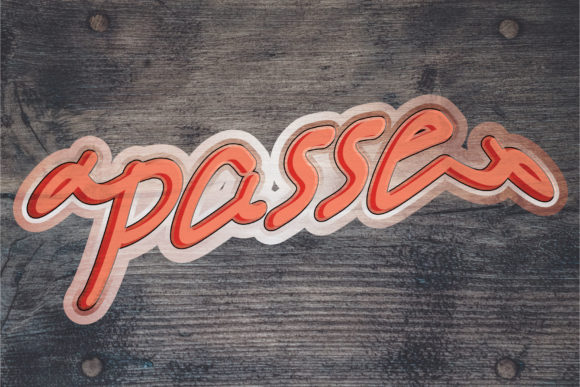
In a world dominated by sleek sans-serif and modern typefaces, Passe stands out as a refreshing alternative. This fun handwritten font captures the warmth and personality of human handwriting while maintaining a clean, readable design. Whether you're crafting social media content, designing logos, or writing personal notes, Passe adds a unique flair that makes your ideas feel more alive and relatable.
The Rise of Handwritten Fonts in Modern Design
As digital communication continues to evolve, there's been a noticeable shift toward more personal and expressive design elements. Users are no longer satisfied with generic, impersonal fonts. They seek authenticity, and this has led to a growing popularity of handwritten fonts like Passe. These fonts bring a sense of intimacy and individuality that is difficult to achieve with standard typefaces.
Marketers, bloggers, and creative professionals have begun to embrace handwritten fonts for their ability to evoke emotion and connection. Passe, with its playful yet professional look, fits perfectly into this trend. It allows creators to communicate not just information, but also feeling and character.
Why Passe Is a Game-Changer for Content Creators
For content creators, especially those in the fields of marketing, education, and entertainment, the right font can make all the difference. Passe’s unique style helps break through the noise of digital content by adding a touch of personality. Imagine using it for blog headers, Instagram captions, or even email newsletters — each instance becomes more engaging and memorable.
Its versatility is another key advantage. Passe works well in both casual and formal contexts, making it suitable for a wide range of projects. From wedding invitations to product packaging, the font adapts seamlessly, proving that style and function can coexist beautifully.
How Passe Fits Into Changing Creative Practices
Today’s creative practices are increasingly focused on user experience and emotional engagement. As such, designers are looking for tools that enhance both aesthetics and usability. Passe meets these needs by offering a visually appealing option without sacrificing readability.
With the rise of remote work and digital collaboration, the need for clear, expressive communication has never been greater. Passe supports this by allowing teams to convey messages with a friendly, approachable tone. It’s particularly effective in branding, where the goal is to build trust and familiarity with an audience.
Moreover, Passe aligns with the current emphasis on minimalism in design. Its clean lines and natural flow complement minimalist layouts without overwhelming them. This makes it a valuable asset for anyone aiming to create content that is both stylish and subtle.
Real-World Applications of Passe
Let’s take a closer look at how Passe can be used in different scenarios:
- Social Media: Use Passe for captions, hashtags, or post titles to add a personal touch and stand out in a crowded feed.
- Graphic Design: Incorporate Passe into posters, flyers, and infographics to give your designs a more human feel.
- Web Design: Apply Passe to call-to-action buttons, headings, or navigation menus to create a more inviting user experience.
- Print Materials: Choose Passe for business cards, brochures, and packaging to reflect a brand’s personality and values.
These applications show how versatile Passe is across various platforms and mediums. Its adaptability ensures that it remains relevant in a constantly changing design landscape.
The Evolution of Typography and the Role of Handwritten Fonts
Typography has come a long way from the days of typewriters and printed newspapers. Today, we have access to countless fonts, each with its own history and purpose. Among these, handwritten fonts have carved out a special niche by bridging the gap between technology and tradition.
Passe is part of this evolution, representing a blend of old-world charm and modern functionality. It reflects the growing appreciation for authenticity in design, where audiences are drawn to content that feels genuine and unpolished. This shift is particularly evident in industries like fashion, food, and lifestyle, where storytelling plays a crucial role.
As people become more conscious of the environments they interact with, they are also becoming more selective about the visual elements they engage with. Passe taps into this desire for meaningful, expressive design by offering something that feels both familiar and fresh.
Tips for Using Passe Effectively
To get the most out of Passe, consider the following tips:
- Pair it wisely: Combine Passe with a complementary sans-serif font for contrast and balance. This ensures readability while maintaining visual interest.
- Use it sparingly: While Passe is eye-catching, overusing it can lead to visual clutter. Reserve it for headings, accents, or short phrases.
- Experiment with spacing: Adjust letter and line spacing to enhance legibility and aesthetic appeal.
- Stay consistent: Maintain a cohesive design by using Passe consistently throughout your project, whether it's a website, brochure, or social media campaign.
By applying these guidelines, you can ensure that Passe enhances rather than distracts from your message.
Looking Ahead: The Future of Handwritten Fonts
As design trends continue to evolve, it's likely that handwritten fonts will remain a staple in creative workflows. Their ability to convey emotion and personality makes them invaluable in an age where digital interactions often lack warmth.
Passe, with its unique style and versatility, is well-positioned to play a significant role in this future. Whether you're a professional designer or a hobbyist, incorporating Passe into your projects can help you create content that resonates on a deeper level.
As we move forward, the key will be to use handwritten fonts like Passe thoughtfully and intentionally. When done right, they can transform ordinary text into something extraordinary — something that truly comes alive.