Sapodilla: A Creative Canvas for Handwritten Expression
Sapodilla, a tropical fruit known for its sweet and unique flavor, has found an unexpected yet fascinating place in the world of creative expression. When paired with the right tools—like a stunning combination of a brush pen and pencil—it transforms into more than just a subject; it becomes a canvas for storytelling, artistry, and personal connection. Whether you're a designer, educator, or hobbyist, Sapodilla offers endless opportunities to explore creativity through handwritten content.
What Is Sapodilla?
Sapodilla, also known as chico or nispero, is a fruit native to Central America and the Caribbean. It’s recognized for its brown, rough skin and soft, sweet flesh that ranges from yellow to pinkish-white. Beyond its culinary appeal, Sapodilla has cultural significance and is often used in traditional medicine. However, when it comes to creative projects, its visual texture and natural form become a compelling subject for illustration and design.
The Power of Handwritten Fonts
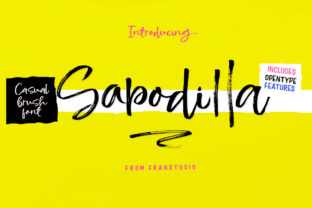
The use of a handwritten font adds a layer of authenticity and warmth to any project. Unlike digital fonts, which can feel sterile or impersonal, handwritten styles bring a human touch. When combined with a brush pen and pencil, they create a dynamic contrast that highlights the organic beauty of Sapodilla. This pairing allows for subtle shading, texture variation, and expressive strokes that reflect the individuality of the artist.
Creative Possibilities with Sapodilla
The versatility of Sapodilla makes it a great subject for various creative endeavors. Here are some ideas to get you started:
- Illustrated Recipes: Create a handwritten recipe book featuring Sapodilla, complete with illustrations and notes on preparation. Use a brush pen for bold headings and a pencil for detailed sketches.
- Botanical Art: Draw the intricate details of a Sapodilla fruit using a mix of brush and pencil techniques. Highlight the texture of the skin and the softness of the interior with varying line weights.
- Personalized Greeting Cards: Design greeting cards that feature Sapodilla as a symbol of sweetness and warmth. Add handwritten messages using a beautiful script to make each card feel special.
- Educational Materials: Develop illustrated guides or infographics about Sapodilla for classrooms or educational websites. The handwritten style can help engage younger audiences and make information more approachable.
Adapting Sapodilla for Different Goals
Depending on your audience and purpose, Sapodilla can be adapted in various ways:
- For Bloggers and Content Creators: Use Sapodilla as a recurring theme in lifestyle or food blogs. Pair it with handwritten captions and quotes to add a personal flair to your posts.
- For Marketers and Entrepreneurs: Incorporate Sapodilla into branding materials for products like jams, desserts, or wellness supplements. Handwritten elements can enhance the perceived value and authenticity of your brand.
- For Educators: Integrate Sapodilla into science lessons about botany or nutrition. Encourage students to draw and label parts of the fruit using a combination of brush and pencil techniques.
- For Artists and Illustrators: Explore abstract interpretations of Sapodilla using mixed media. Combine watercolor, ink, and hand-drawn elements to create unique pieces that capture the essence of the fruit.
Practical Tips for Success
To ensure your Sapodilla projects are clear, effective, and visually appealing, consider these tips:
- Use High-Quality Tools: Invest in a good brush pen and pencil set. The right tools will make a significant difference in the final outcome.
- Experiment with Styles: Try different handwriting styles and brush techniques to find what works best for your vision. Don’t be afraid to make mistakes—each one is part of the creative process.
- Keep It Consistent: Maintain a consistent look throughout your project to ensure professionalism and coherence. This includes color schemes, line weights, and overall composition.
- Focus on Clarity: Even with artistic elements, clarity is key. Ensure that text remains legible and that illustrations support the message rather than distract from it.
Conclusion
Sapodilla may be a fruit, but its potential extends far beyond the kitchen. When combined with the right tools and techniques, it becomes a powerful medium for creative expression. Whether you're illustrating recipes, designing greeting cards, or creating educational materials, the pairing of a brush pen and pencil brings out the authentic charm of Sapodilla. Embrace this unique opportunity to explore new ideas, connect with your audience, and bring your projects to life with heartfelt, handwritten detail.