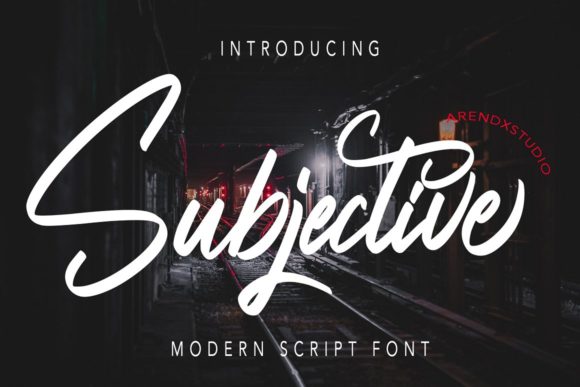
Subjective: A Cursive Font That Elevates Fashion and Editorial Designs
Subjective is a cursive font that stands out with its elegant, flowing curves and artistic flair. Designed to capture the essence of handwritten elegance, this font brings a personal and expressive touch to any design project. Whether you're working on a brand identity, editorial layout, or promotional material, Subjective offers a unique aesthetic that can elevate your visual storytelling.
With its smooth, organic lines and graceful strokes, Subjective mimics the natural rhythm of handwriting. This makes it especially well-suited for projects that require a sense of intimacy, creativity, and individuality. Its versatility allows it to blend seamlessly into both modern and traditional design contexts, making it a valuable asset in a designer's toolkit.
Understanding the Unique Characteristics of Subjective
At first glance, Subjective appears as a simple cursive typeface. However, its beauty lies in the subtle nuances of its design. Each letter is crafted with an emphasis on fluidity and balance, ensuring that even the most complex words maintain readability without sacrificing style.
The font’s character set includes uppercase and lowercase letters, numbers, and punctuation marks, all of which are designed to work together harmoniously. This comprehensive range makes it suitable for a wide array of applications, from headlines and logos to body text and illustrations.
One of the defining features of Subjective is its ability to convey emotion. The gentle curves and variations in stroke width give each letter a distinct personality, allowing designers to communicate tone and mood effectively. This emotional resonance makes it particularly effective in fashion branding, where visual appeal and brand identity are crucial.
When to Use Subjective in Design Projects
Subjective is ideal for situations where a more personalized and artistic approach is needed. It shines in fashion-related designs such as clothing labels, packaging, and advertising campaigns. The font’s soft, flowing lines complement the aesthetics of high-end fashion, creating a sense of sophistication and exclusivity.
In editorial design, Subjective can be used to add a creative flair to magazine layouts, blog headers, and feature articles. Its use in titles and subheadings can draw attention and enhance the reader's experience by adding a touch of elegance and originality.
Additionally, Subjective works well in branding materials such as logos, business cards, and social media graphics. Its unique appearance helps brands stand out in a crowded market while maintaining a sense of professionalism and refinement.
How Subjective Can Help Address Common Design Challenges
Many designers face the challenge of creating visually appealing content that also remains readable and professional. Subjective addresses this issue by offering a balance between style and clarity. Unlike some decorative fonts that can be difficult to read, Subjective maintains legibility while still delivering a strong visual impact.
Another common challenge is finding a font that aligns with a brand’s identity. Subjective provides a versatile solution that can be adapted to various brand personalities, from minimalist and modern to vintage and romantic. This adaptability ensures that it can be used across different industries and sectors.
For those looking to create a more engaging user experience, Subjective can help make content feel more approachable and human. Its handcrafted appearance adds warmth and authenticity, which can be especially beneficial in marketing and communication strategies aimed at building customer relationships.
Practical Applications and Outcomes
Designers who incorporate Subjective into their projects often report positive outcomes in terms of visual appeal and audience engagement. For example, a fashion brand using Subjective in its logo and website design may see an increase in brand recognition and customer loyalty due to the font’s distinctive and memorable look.
Similarly, editorial designers who use Subjective in their layouts may find that readers spend more time engaging with the content, as the font creates a more inviting and immersive reading experience. The font’s ability to evoke emotion and personality can significantly enhance the overall impact of a publication.
For businesses looking to differentiate themselves in a competitive market, Subjective can serve as a powerful tool for standing out. Its unique aesthetic helps create a lasting impression and reinforces brand values through visual consistency.
Considerations for Using Subjective Effectively
While Subjective is a beautiful and versatile font, it is important to use it thoughtfully to ensure it complements rather than overwhelms the design. When using it in large quantities, such as in body text, it is advisable to pair it with a simpler sans-serif font to maintain readability and avoid visual fatigue.
Additionally, designers should consider the context in which they are using Subjective. In highly formal or technical settings, it may be more appropriate to reserve Subjective for headings or accents rather than using it as the primary font throughout the design.
Experimentation is key when working with Subjective. Trying different weights, spacing, and color combinations can help uncover new ways to use the font creatively. By testing various applications, designers can discover how best to leverage Subjective to achieve their desired outcome.
Conclusion
Subjective is more than just a cursive font—it is a powerful design tool that can enhance the visual appeal and emotional impact of any project. Whether you're working in fashion, editorial design, or branding, this font offers a unique way to express creativity and individuality.
By incorporating Subjective into your design workflow, you can create more engaging and memorable experiences for your audience. Its smooth curves and elegant form make it an excellent choice for those looking to add a touch of sophistication and artistry to their work. With thoughtful application, Subjective can become a valuable asset in your creative arsenal, helping you achieve stunning results that resonate with your target audience.